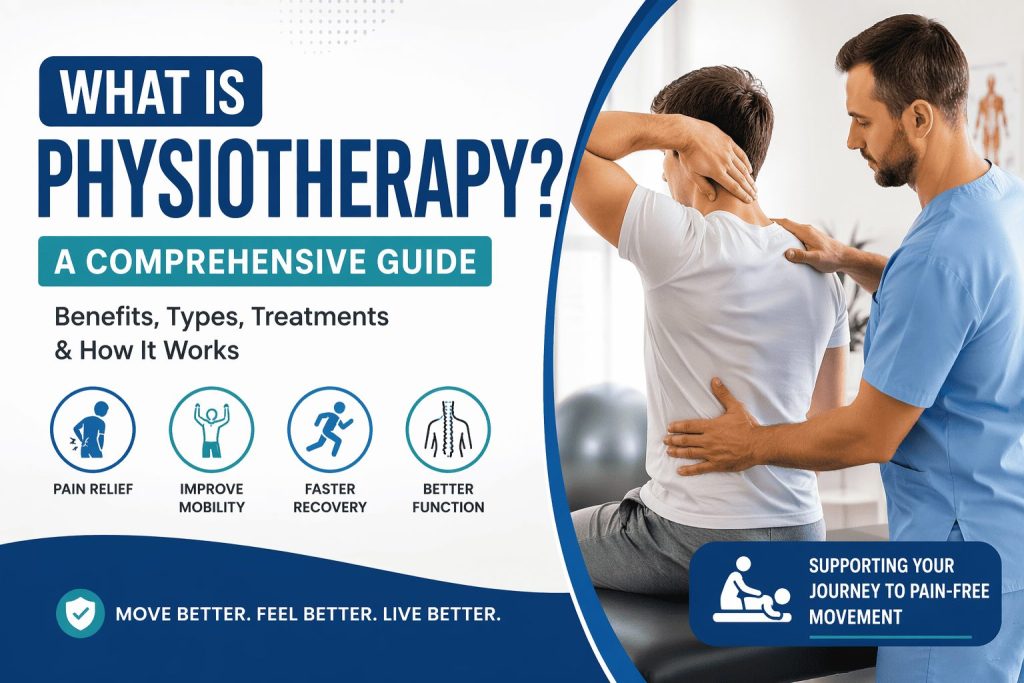


Your recovery doesn’t have to be confined to clinic visits and rigid appointment schedules. Home physiotherapy offers you the freedom to heal in your own space while addressing not just your physical symptoms, but your entire lifestyle.
This approach is perfect for busy professionals, parents managing family schedules, seniors who prefer familiar surroundings, and anyone dealing with mobility challenges that make frequent clinic visits difficult.
You’ll discover how holistic physiotherapy at home goes beyond traditional exercises to create a complete healing experience. We’ll explore the essential components that make home-based programs so effective, including personalized treatment plans that fit your daily routine. You’ll also learn practical lifestyle modifications that accelerate your recovery, from nutrition tweaks to stress management techniques that support your body’s natural healing process.
We at Corx Healthcare will show you how to transform your living space into an optimal healing environment and build wellness habits that keep you strong long after your initial recovery goals are met.
Understanding the Power of Holistic Physiotherapy at Home
Personalized Treatment in Your Comfort Zone
Your home becomes your healing sanctuary when you choose physiotherapy at home. There’s something powerful about receiving treatment in the space where you feel most secure and relaxed. Your stress hormones naturally decrease when you’re surrounded by familiar sights, sounds, and smells, creating optimal conditions for your body’s healing processes.
You can wear whatever makes you comfortable – your favourite workout clothes, that soft t-shirt, or even pyjamas if that’s what feels right. There’s no need to feel self-conscious about other patients watching or judging your progress. This psychological comfort translates directly into physical benefits as your muscles release tension more readily when your mind is at ease.
Your therapist gets to understand your complete lifestyle picture. They see your pet that needs walking, your work-from-home setup, or the family dynamics that impact your recovery. This comprehensive view allows them to craft interventions that seamlessly integrate into your real life rather than existing as isolated medical appointments.
The treatment plans become truly yours. Your physiotherapist can incorporate your existing furniture, use your stairs for strength training, or adapt exercises around your daily routines. If you’re a parent, sessions can happen while children nap or play nearby. If you work irregular hours, treatments can accommodate your schedule without the constraints of clinic operating hours.
Faster Recovery through Familiar Environment Benefits
Your familiar environment accelerates healing in ways that sterile clinical spaces never could. Your nervous system operates in a state of baseline calm when you’re at home, allowing more energy to focus on recovery rather than adapting to unfamiliar surroundings.
You can immediately practice new techniques in the exact contexts where you’ll use them. Learning to get out of your own bed safely, navigating your specific bathroom layout, or managing your particular staircase creates muscle memory that transfers directly to daily life. There’s no gap between treatment and application – you’re essentially doing homework during the lesson.
Your sleep quality improves when you’re not disrupted by travel to appointments or the mental energy required to navigate new environments. Better sleep means enhanced tissue repair, improved pain management, and faster overall recovery. You can rest immediately after sessions, allowing your body to integrate the work without the stress of transportation.
The consistency of your environment also means your progress measurements are more accurate. Your therapist sees exactly how you move in your actual living space, tracking improvements in real-world function rather than artificial clinic scenarios. This leads to more precise adjustments in your treatment plan and clearer milestones for your recovery journey.
Integrating Lifestyle Modifications for Maximum Healing
Sleep Optimization Techniques for Tissue Repair
Your body performs its most crucial healing work while you sleep, making quality rest a cornerstone of successful home physiotherapy. When you prioritize sleep optimization, you’re essentially giving your tissues the prime time they need to repair and rebuild stronger than before.
Start by establishing a consistent sleep schedule that aligns with your body’s natural rhythms. Going to bed and waking up at the same time every day helps regulate your circadian clock, which directly influences tissue repair processes. Your growth hormone levels peak during deep sleep phases, so maintaining regular sleep patterns ensures your body can maximize this natural healing boost.
Create a sleep environment that supports recovery by keeping your bedroom between 65-68°F and investing in blackout curtains or an eye mask. Your mattress and pillow setup should support proper spinal alignment – if you’re dealing with back issues, a medium-firm mattress typically works best, while side sleepers might benefit from a pillow between their knees.
Consider your pre-sleep routine carefully. Blue light from screens can disrupt melatonin production, so power down devices at least an hour before bedtime. Instead, try gentle stretching, reading, or listening to calming music. If pain is keeping you awake, discuss safe sleep aids with your physiotherapy provider or explore natural options like chamomile tea or magnesium supplements.
Track your sleep quality using a simple journal or wearable device. Note how different activities, foods, or stress levels affect your rest, then adjust accordingly. Remember, during home physiotherapy sessions, you might experience temporary increases in discomfort as your body adapts – this is normal and often indicates your tissues are responding to treatment.
Stress Management Methods That Enhance Treatment
Chronic stress actively works against your healing process by elevating cortisol levels, which can slow tissue repair and increase inflammation. When you’re managing stress effectively, you’re creating the optimal internal environment for your home physiotherapy to deliver maximum results.
Mindfulness meditation doesn’t require special equipment or extensive training. Start with just five minutes daily, focusing on your breath or using guided apps. Regular practice helps you develop awareness of tension patterns in your body, making you more receptive to the benefits of your physiotherapy exercises.
Your social connections play a significant role in stress management during healing. Don’t hesitate to communicate your needs to family members or friends. Having support while you navigate your recovery journey reduces psychological stress and can even improve treatment compliance.
Create boundaries around stressful activities when possible. If work demands are overwhelming, discuss temporary modifications with your employer. Your healing process deserves protection from unnecessary stressors that could derail your progress.
Daily Activity Modifications for Injury Prevention
Smart daily modifications transform your home into a healing-supportive environment while preventing setbacks that could slow your recovery. You don’t need to overhaul your entire lifestyle – small, strategic changes often yield the most sustainable results.
Start by analyzing your most frequent daily activities through a prevention lens. If you spend hours at a computer, adjust your workstation ergonomics: position your monitor at eye level, keep your feet flat on the floor, and take movement breaks every 30 minutes. These micro-adjustments prevent new issues from developing while supporting your current healing process.
Your morning routine sets the tone for your entire day. Instead of jumping straight out of bed, spend a few minutes doing gentle spinal movements or the activation exercises your physiotherapist recommended. This prepares your body for daily activities and reinforces the movement patterns you’re working to improve.
Building Long-Term Wellness Habits Beyond Recovery
Preventive Exercise Routines for Future Health
Your recovery journey doesn’t end when your pain subsides – it transforms into a lifelong commitment to maintaining and enhancing your physical well-being. Developing preventive exercise routines becomes your insurance policy against future injuries and health complications. These routines should build upon the foundation established during your home physiotherapy sessions, creating a sustainable framework for long-term health.
Start by identifying your body’s specific vulnerabilities based on your recovery experience. If you’ve dealt with back pain, your preventive routine should emphasize core strengthening and spinal mobility. For those recovering from joint issues, focus on maintaining range of motion and surrounding muscle strength. Your home-based approach allows you to tailor these exercises to your space and schedule, making consistency more achievable.
Mindfulness Practices for Ongoing Pain Management
Your mind plays a crucial role in how you experience and manage pain, making mindfulness practices essential components of your long-term wellness strategy. These techniques help you develop a healthier relationship with discomfort while building resilience against future challenges.
Begin each day with a five-minute breathing exercise. Sit comfortably and focus on your breath, noticing how it feels as it enters and leaves your body. When pain or discomfort arises, return to this breathing pattern. This simple practice trains your nervous system to respond more calmly to physical sensations.
Progressive muscle relaxation becomes particularly valuable during times of increased stress or pain flare-ups. Starting from your toes and working upward, tense each muscle group for five seconds, then release completely. This practice helps you recognize the difference between tension and relaxation, giving you greater control over your physical responses.
Community Support Systems for Sustained Motivation
Your healing journey thrives with the support of others who understand your challenges and celebrate your progress. Building strong community connections creates accountability while providing emotional support during difficult times.
Connect with local or online support groups focused on your specific condition or general wellness goals. These communities offer practical advice, emotional encouragement, and the reassurance that you’re not alone in your journey. Share your experiences and learn from others who’ve walked similar paths.
Consider forming or joining a home workout buddy system. Partner with friends, family members, or neighbours who share your commitment to health. Schedule regular check-ins, share workout videos, or exercise together virtually. This accountability makes it harder to skip your routine and more enjoyable to maintain consistency.
Regular Health Maintenance Protocols
Establishing systematic health maintenance protocols helps you stay ahead of potential problems while optimizing your overall well-being. These protocols create structure around your self-care practices, making healthy choices automatic rather than optional.
Schedule monthly self-assessments where you evaluate your pain levels, mobility, strength, and overall function. Keep a simple journal tracking these metrics alongside your exercise consistency, sleep quality, and stress levels. This data helps you identify patterns and make informed adjustments to your routine.
Create quarterly goals that challenge you to grow while respecting your body’s limitations. These might include increasing your walking distance, mastering a new exercise, or improving your flexibility measurements. Having specific targets keeps you motivated while providing clear markers of progress.
Conclusion
Home-based physiotherapy gives you the power to heal on your own terms, combining targeted treatment with the lifestyle changes that make recovery stick. You’ve seen how the right environment, consistent habits, and personalized care can transform your healing journey from a temporary fix into lasting wellness. This approach treats you as a whole person, not just a set of symptoms.
Your path to better health doesn’t end when the pain stops or mobility returns. The habits you build today – from movement routines to stress management – become the foundation for preventing future problems. Start small, stay consistent, and remember that real healing happens when you take control of both your treatment and your daily choices. Your home can be your strongest ally in creating the healthy, active life you want.