

Home nursing care helps families manage health challenges with comfort and dignity.
Early support prevents complications and reduces hospital visits.
Recognizing the signs can protect your loved one’s health and independence.
1. Difficulty Managing Daily Activities
Your loved one may struggle with bathing, dressing, or moving safely.
Frequent falls or fatigue signal declining physical strength.
A home nurse provides safe assistance and restores daily confidence.
2. Recovery After Surgery or Hospital Discharge
Post-surgery recovery requires close monitoring and medical care.
Pain management and wound care need professional attention.
Home nursing speeds healing and prevents infections.
3. Chronic Health Conditions Need Regular Care
Chronic illnesses demand continuous monitoring and treatment.
Diabetes, heart disease, and respiratory conditions require skilled support.
A home nurse manages symptoms and tracks progress daily.
4. Frequent Medication Errors or Missed Doses
Medication mistakes can cause serious health risks.
Older adults often forget schedules or confuse prescriptions.
Home nurses ensure correct dosages and proper timing.
5. Limited Mobility or Bedridden Conditions
Mobility challenges increase risks of bedsores and muscle weakness.
Prolonged bed rest demands expert repositioning and hygiene care.
Home nurses protect skin health and maintain circulation.
6. Poor Nutrition or Dehydration
Weight loss or appetite changes signal deeper health issues.
Dehydration weakens immunity and delays recovery.
Home nurses monitor nutrition and support hydration therapy.
7. Cognitive Decline or Memory Problems
Memory loss affects safety and treatment adherence.
Patients may forget meals, medications, or appointments.
Home nursing ensures supervision and mental reassurance.
8. Aging-Related Health Challenges
Aging brings reduced immunity and slower healing.
Minor illnesses can escalate without timely care.
Home nurses provide preventive monitoring and personalized attention.
9. Need for Specialized Medical Procedures at Home
Some treatments require skilled handling and sterile conditions.
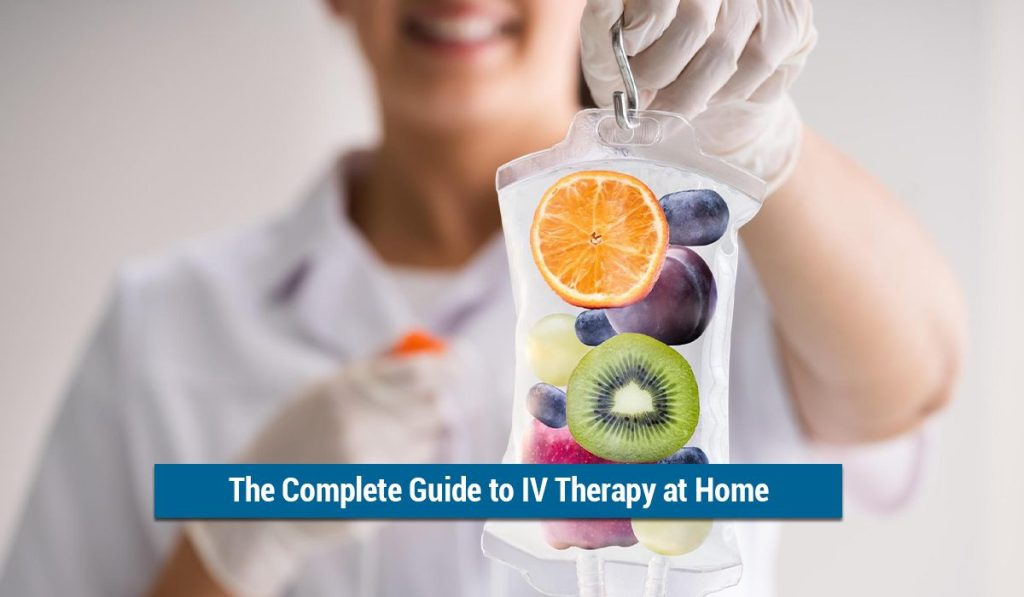
IV therapy, injections, and catheter care need professional expertise.
Home nursing delivers hospital-level care in familiar surroundings.
10. Emotional Distress or Social Isolation
Illness often triggers anxiety and loneliness.
Emotional well-being impacts physical recovery.
Home nurses offer companionship and emotional reassurance.
Why Home Nursing Care Makes a Difference
Home nursing blends medical expertise with personalized care.
Patients heal faster in familiar environments.
Families gain peace of mind and professional support.
Home care reduces hospital readmissions and infection risks.
It improves comfort, safety, and quality of life.
Final Thoughts
Ignoring early warning signs can lead to complications.
Home nursing offers timely care and continuous monitoring.
Choosing professional home care supports recovery with dignity and compassion.
Investing in home nursing means investing in better health outcomes.